
 By admin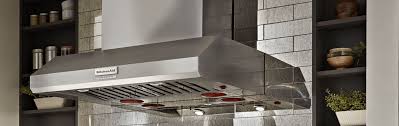
Efficient restaurant kitchen ventilation systems are crucial for maintaining a safe, comfortable, and productive environment. These systems play a vital role in removing heat, smoke, grease-laden vapors, and odors generated during cooking processes. Designing an effective ventilation system requires careful consideration of several factors to ensure optimal performance and compliance with health and safety regulations.
One of the primary considerations is the layout of the kitchen. The design should facilitate smooth workflow while ensuring that ventilation hoods are strategically placed over cooking equipment such as stoves, grills, and fryers. This placement helps in capturing contaminants at their source before they can spread throughout the kitchen. Additionally, it’s important to consider the type and size of cooking equipment when selecting exhaust hoods. Different appliances produce varying amounts of heat and emissions; thus, choosing appropriately sized hoods ensures efficient capture without excessive energy consumption.
The choice between Type I and Type II hoods also impacts efficiency. Type I hoods are designed for appliances that produce grease-laden vapors like fryers or grills; they come equipped with filters or baffles to trap grease particles effectively. On the other hand, Type II hoods handle steam or heat from non-grease producing appliances such as ovens or dishwashers. Ensuring you have the right hood type is essential for both functionality and meeting fire safety standards.
Proper ductwork installation is another critical element in designing an efficient ventilation system. Ducts should be as straight as possible with minimal bends to reduce air resistance which can hinder airflow efficiency. Regular maintenance access points must be included to facilitate cleaning since accumulated grease within ducts poses significant fire hazards.
restaurant kitchen ventilation systems should incorporate adequate make-up air provisions to replace exhausted air without causing negative pressure within the building which could disrupt appliance operation or compromise indoor air quality by drawing in unfiltered outside air through unintended openings.
Energy efficiency is another key aspect of modern kitchen ventilation design strategies aimed at reducing operational costs while minimizing environmental impact. Variable speed controls on fans allow adjustments based on real-time demand rather than running constantly at full capacity regardless if all stations are active simultaneously—this not only saves energy but extends equipment lifespan too.
Lastly yet importantly comes noise control measures because high decibel levels contribute significantly towards uncomfortable working conditions leading potentially towards decreased staff productivity alongside increased stress levels among workers who need concentration amidst bustling environments typical inside commercial kitchens today!
In conclusion: thoughtful planning coupled together alongside adherence strictly towards relevant codes/standards will result ultimately into highly functional setups providing excellent filtration capabilities thereby promoting healthier atmospheres conducive overall better dining experiences offered patrons alike!